Most bikes don't sell slowly because they're priced wrong. They sell slowly because the listing gives buyers a reason to hesitate: dim photos, a vague description, or a missing detail that makes someone wonder what else isn't being said. Fix those, and a fairly-priced bike moves quickly.
This guide walks through the whole process, from prep to handover. It's written for the UK second-hand market, where most sales happen between individuals and trust is everything.
The short version
- Clean the bike and take 8–12 photos in daylight.
- Write a description that answers questions before they're asked.
- Price against live listings, not what you paid.
- Include your serial number and any proof of purchase.
- Reply fast, meet safely, and keep payment simple.
1. Prep the bike before you photograph it
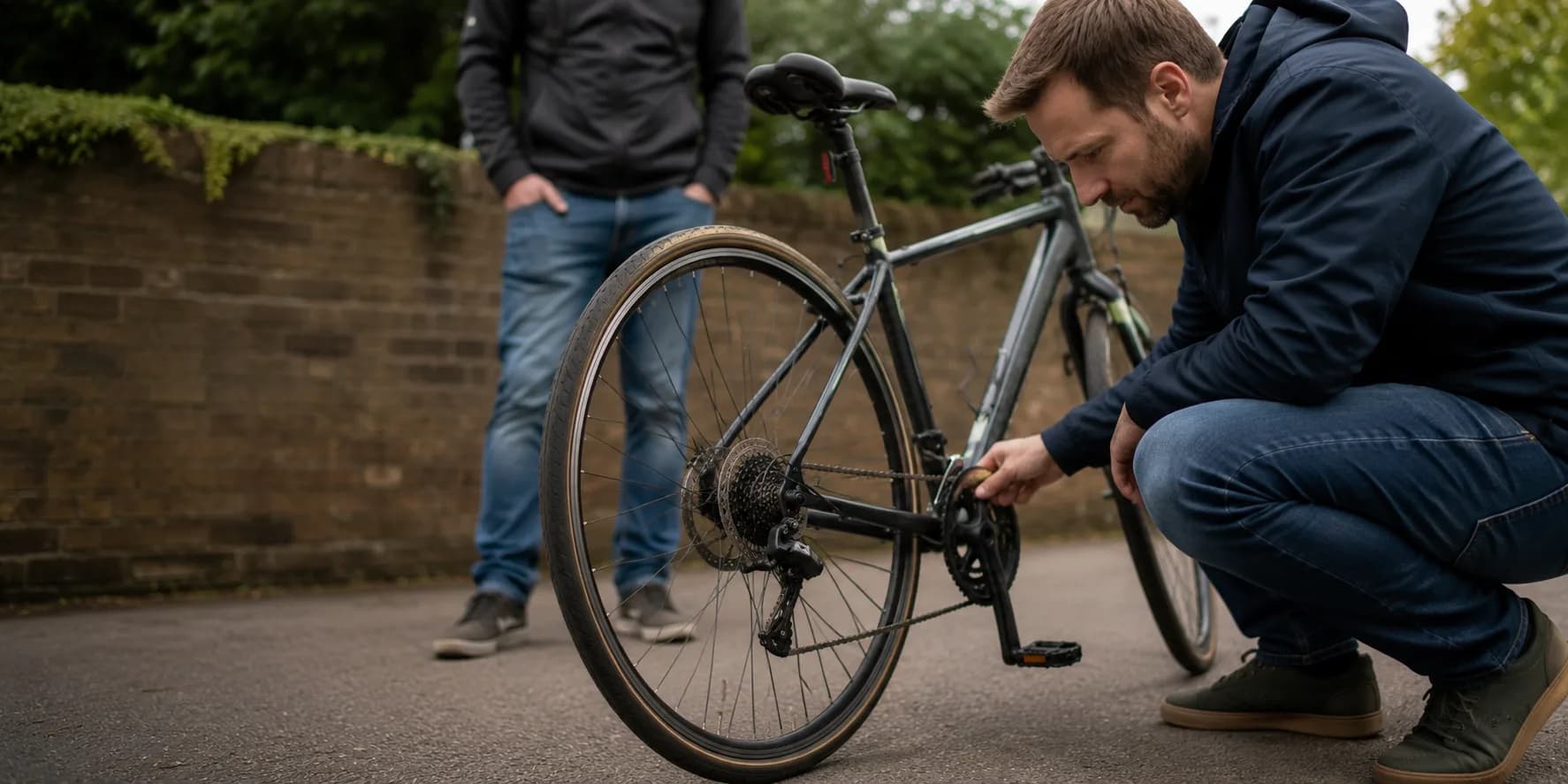
A 20-minute clean is the highest-return work you'll do. Degrease the drivetrain, wipe down the frame, and pump the tyres up so it looks ready to ride. A clean bike doesn't just photograph better; it signals that the bike has been looked after, which is exactly what a nervous buyer wants to believe.
Make a note of anything that needs mentioning: a scratch on the top tube, a chain that's due for replacement, a creaking bottom bracket. You're going to disclose these anyway, and finding them now means no surprises later.
2. Take photos that do the selling
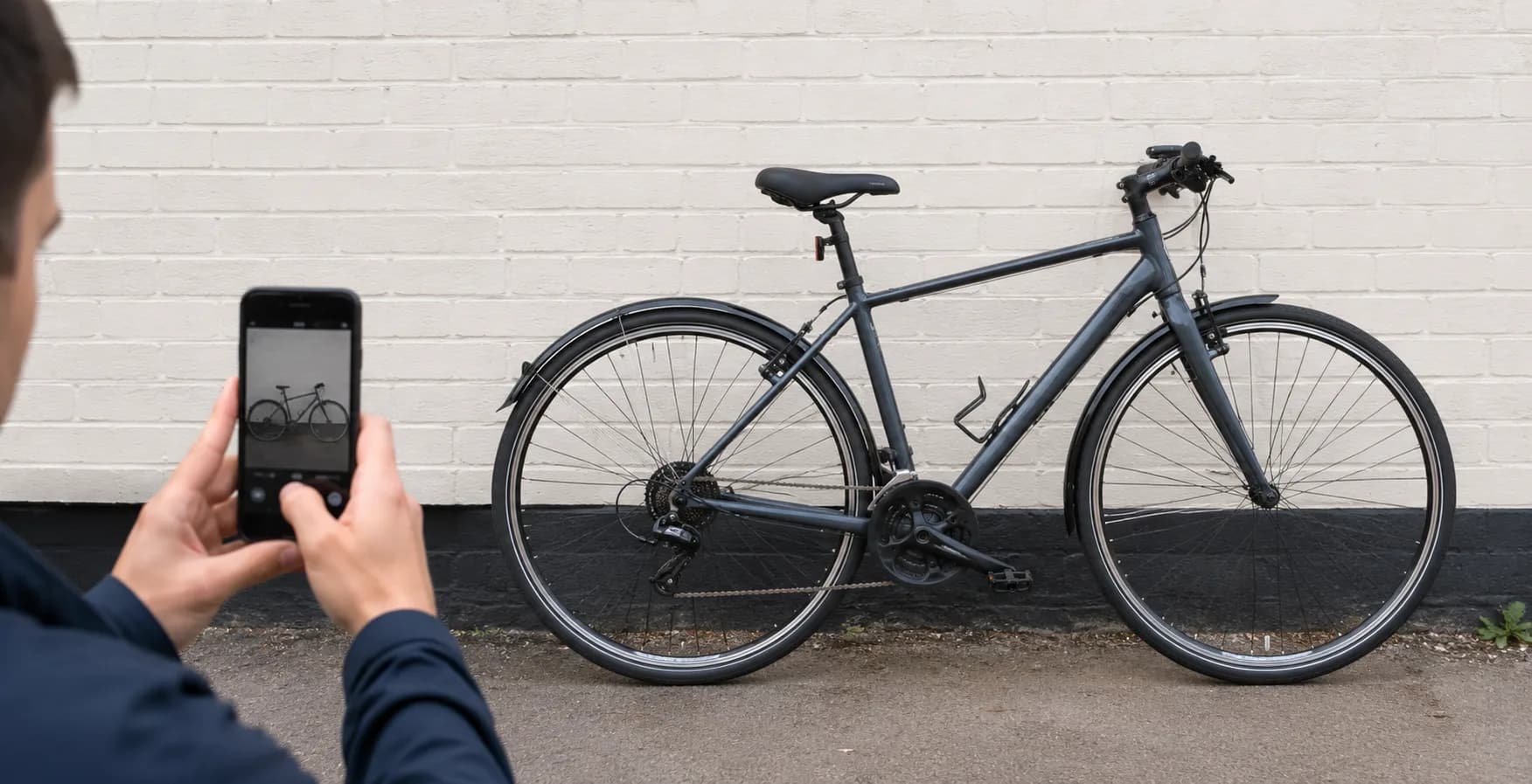
Photos are the single biggest factor in how fast a bike sells. Listings with clear, plentiful images get far more messages than those with one dark phone snap.
Shoot in daylight (outdoors or near a big window) against a plain background. Aim for 8 to 12 shots:
The full bike from the drive (right) side, the classic profile shot.
The non-drive side so nothing looks hidden.
Close-ups of the groupset, cassette, chainrings and brakes.
Cockpit and saddle: bars, stem, shifters, seatpost.
Any wear or damage, shot honestly and in focus.
Serial number (usually under the bottom bracket) and any receipts.
3. Write a description that removes doubt
Good descriptions answer the questions a buyer would otherwise have to ask. Lead with the facts that matter and keep it scannable:
Make, model and year: be specific (e.g. "2022 Specialized Allez Sport, 56cm").
Size, in both the manufacturer's terms and your height range if you can.
Groupset and key spec: wheels, brakes, anything upgraded.
Condition and history: mileage, servicing, what's been replaced.
Reason for selling: a normal reason reassures buyers.
Write like a person, not a spec sheet. "Bought for a sportive I never trained for, ridden maybe ten times" tells a buyer more than a list of components ever will.
4. Price it to sell, not to win
The most common mistake is anchoring to what you paid. Buyers don't care about your purchase price; they care what comparable bikes are selling for right now.
Check what your bike is worth, then search live listings for the same model and a similar age. Look at what's actually selling, not just what's listed at optimistic prices and sitting unsold. As a rough rule, a bike in good condition loses a meaningful chunk of its value in the first year and then depreciates more slowly. Price slightly below the cluster of comparable listings and you'll get messages within days.
5. Build in trust signals
Second-hand bike buyers worry about two things: that the bike is as described, and that it isn't stolen. You can defuse both. Add your serial number to the listing, mention any proof of purchase you can show, and say whether you're the original owner. These small signals separate your listing from the chancers.
List your bike on Shift
Serial number and proof-of-purchase fields built in. Messages stay on-platform. No phone numbers shared.
6. Respond fast and meet safely
Speed matters. The first hour after a buyer messages is when they're most motivated: a quick, friendly reply keeps the momentum. Have a couple of meetup options ready: somewhere public and well-lit, ideally where the buyer can do a short test ride.
For payment, instant bank transfer is simplest and clears before the bike leaves your hands. Be wary of overpayment scams, "my courier will collect" messages, and anyone pushing to move the conversation off-platform.
7. Hand it over cleanly
When the sale's done, note the date, the price and the buyer's name for your own records. If your bike was registered on a security database like BikeRegister, transfer or update the record so it's no longer flagged to you. Then take your listing down so you stop fielding messages.
Do the prep properly and selling a bike is genuinely easy. The sellers who struggle are almost always the ones who rushed the photos and guessed at the price. Twenty minutes of cleaning, a dozen good shots and an honest description will do more than any amount of reposting.